
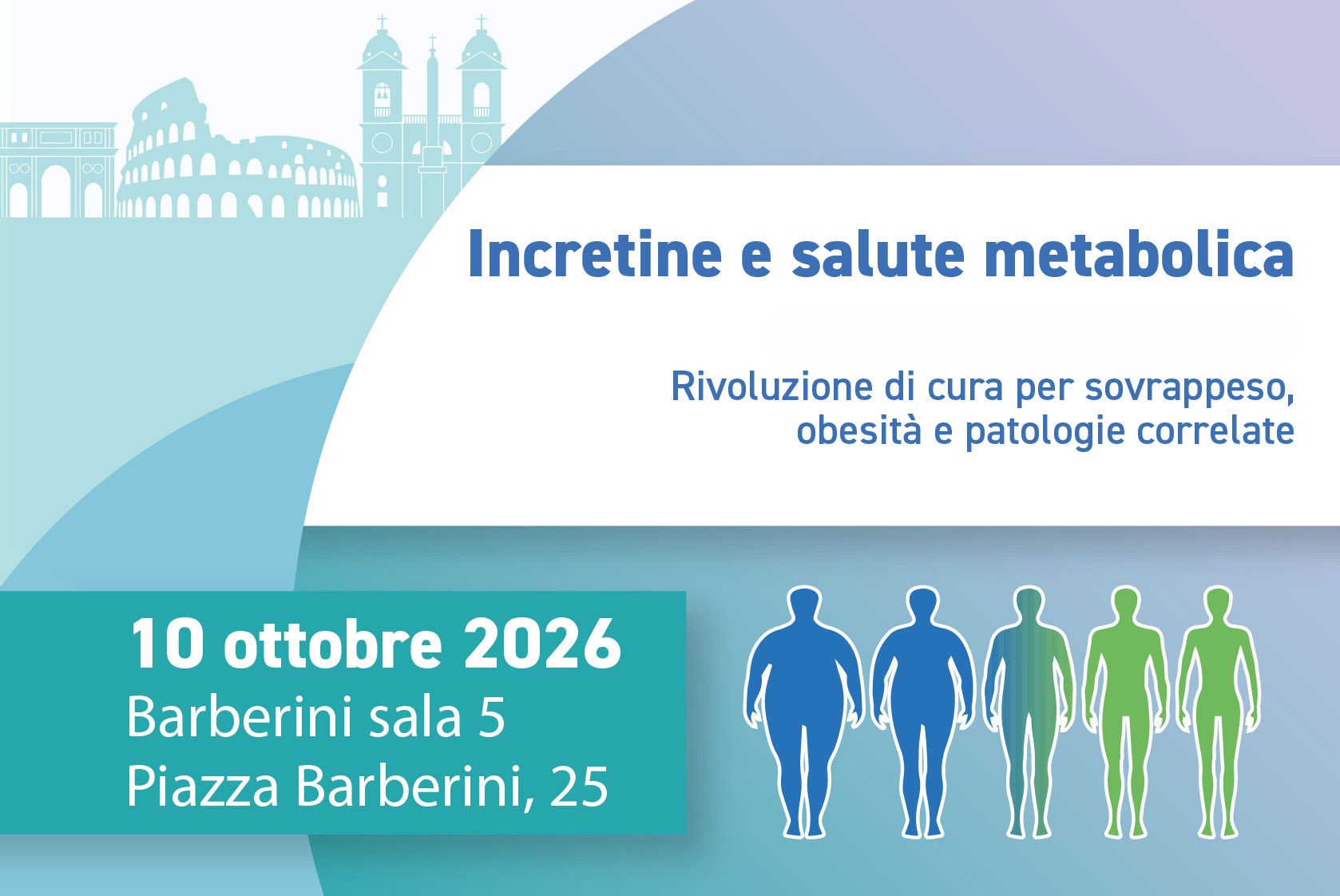
Rational
Obesity has become a veritable pandemic, with a significant increase in cases observed globally in recent years. According to recent estimates, more than one billion people worldwide (including children and adolescents) suffer from obesity and overweight, one in two in Italy and three in four in the United States. It is well known that without effective public health interventions, this dangerous epidemiological trend will continue to grow, and more than three billion adults worldwide could be affected by overweight and obesity by 2030.
Obesity has serious public health implications, contributing to the onset of numerous chronic diseases, including type 2 diabetes mellitus, cardiovascular disease, dyslipidemia, chronic kidney disease, fatty liver disease, inflammatory rheumatologic diseases, neurodegenerative diseases, and some forms of cancer. Therefore, combating obesity requires a multidisciplinary approach involving health policies, education, and changes in individual and community behavior.
Over the past few months, we have witnessed a steady increase in scientific evidence regarding the beneficial effects of incretin drugs on various areas of human health. Initially approved for the treatment of type 2 diabetes mellitus and subsequently for chronic weight management in obesity and overweight individuals, a growing body of scientific studies has demonstrated that these drugs—belonging to the class of GLP-1, GIP, and glucagon and amylin receptor agonists—provide significant benefits not only in terms of weight loss in overweight or obese patients (including pediatric subjects), but also in terms of cardiorenal and hepatological protection, the treatment of rheumatic diseases such as psoriatic arthritis and knee osteoarthritis, the reduction of sleep apnea and various cancers, as well as neuroprotection from neurodegenerative diseases such as Alzheimer's and senile dementia. Recent studies suggest that incretin drugs may also have therapeutic efficacy for polycystic ovary syndrome and metabolic disorders of the menopausal transition. It has now been demonstrated that these benefits are mediated not only by the well-known endocrine-metabolic actions of incretins linked to weight loss, but also and above all by their ability to reduce oxidative stress, insulin resistance, and chronic low-grade systemic inflammation, which represent key factors in the onset and progression of most of the chronic metabolic diseases that plague our century.
The Congress will feature a panel of recognized experts in cardio-endocrine-metabolic, rheumatology, hepatology, gynecology, and neuropsychiatry. It will provide an opportunity to analyze the latest scientific evidence regarding the use of incretins for the prevention and treatment of various chronic diseases, as well as the practical implications of their use in daily clinical practice. Furthermore, the most recent evidence regarding new injectable incretins with triagonistic action on GLP-1/GIP/glucagon receptors and recently approved oral peptide and non-peptide incretins will be discussed. Finally, a special focus will be placed on hot topics such as treatment safety, quality of weight loss, maintenance of weight loss, and the associated metabolic health benefits.
ECM: The Congress obtained 4 training credits for the professional figures of MEDICAL SURGEON specialists in Endocrinology, Gastroenterology, Internal Medicine, Nephrology, Cardiology, Pediatrics, Gynecology, Rheumatology, Geriatrics, Nutrition Science, Aesthetic Medicine, Surgery, Medical Genetics, Clinical Pathology, General Practitioners.
For information: p.marozzi@fasieventi.com

